How to Build a Strong Online Presence for Your Business
Learn practical steps to build a strong online presence, including website development, search optimization, social media, online reviews, content, security, and performance tracking.

A strong online presence helps your business become easier to find, understand, and trust. Whether you serve local customers, sell products online, or provide professional services, your digital presence can influence how people discover your business and decide whether to contact you.
Building an online presence is not about being everywhere at once. It is about creating accurate, useful, and consistent digital touchpoints that support your customers and business goals.
What Is an Online Presence?
Your online presence includes every place where people can find information about your business on the internet. This may include your website, search listings, social media profiles, online reviews, business directories, published content, and email communications.
These channels work together to shape your reputation and help potential customers move from awareness to action.
1. Define Your Business Goals
Start by deciding what you want your online presence to achieve. Your goals may include increasing brand awareness, generating enquiries, selling products, receiving bookings, supporting customers, or attracting applicants.
- Choose goals that match your business priorities.
- Identify the actions you want visitors to take.
- Set measurable targets and a review timeframe.
- Focus on outcomes rather than vanity metrics alone.
2. Understand Your Target Audience
Learn who your ideal customers are, what problems they need to solve, what questions they ask, and how they search for information. Consider their location, interests, budget, buying concerns, and preferred communication channels.
Customer conversations, enquiries, reviews, analytics, surveys, and sales feedback can help you create a clearer picture of your audience.
3. Create a Professional Website
Your website is often the central part of your online presence. It should clearly explain what your business offers, who it serves, where it operates, and how visitors can take the next step.
Include an informative homepage, service or product pages, an about page, contact details, clear calls to action, and any policies or trust information relevant to your business.
4. Make Your Website Easy to Use
A professional design is helpful, but usability matters just as much. Use clear navigation, readable text, descriptive headings, accessible forms, and visible contact options.
Test important tasks such as finding a service, requesting information, completing a purchase, or booking an appointment. Remove unnecessary steps that create friction.
5. Optimize for Search Engines
Search engine optimization helps people find your website when they search for relevant products, services, and questions. Use descriptive page titles, useful headings, natural keywords, clear URLs, internal links, and helpful content.
Focus on answering the searcher’s question and providing a good experience. Avoid keyword stuffing, misleading claims, and pages created only to manipulate rankings.
6. Build a Local Search Presence
If you serve a specific area, make sure your business information is accurate across relevant search listings and directories. Keep your name, address, phone number, website, hours, services, and business categories consistent.
Encourage genuine reviews, publish useful local information, and clearly explain the locations or service areas you actually cover.
7. Use Social Media Strategically
Choose social platforms that match your audience, industry, content style, and available resources. You do not need to maintain every platform to build an effective presence.
Share useful information, product updates, customer stories, behind-the-scenes content, and answers to common questions. Respond to comments and messages professionally so social media remains a two-way channel.
8. Publish Valuable Content
Content can demonstrate your expertise and help customers make informed decisions. Create guides, tutorials, checklists, videos, case studies, FAQs, and answers to questions your audience regularly asks.
Plan content around genuine customer needs rather than publishing only promotional messages. Useful content can attract visitors and build trust over time.
9. Manage Your Online Reputation
Monitor reviews, mentions, and feedback about your business. Thank customers for positive feedback and respond to concerns calmly and professionally.
Never create fake reviews or make unsupported claims. Honest responses and consistent service are more valuable for long-term credibility.
10. Make Your Presence Mobile-Friendly
Many people access websites and social platforms from mobile devices. Make sure your pages adapt to smaller screens, buttons are easy to tap, forms work properly, and important information is easy to find.
Check your website regularly on different devices and prioritize the actions that matter most to customers.
11. Protect Your Website and Customer Data
Security is part of a trustworthy online presence. Keep your website software and integrations maintained, use strong passwords, limit unnecessary access, and protect customer information.
Use secure connections, provide clear privacy information, and review forms and payment processes regularly.
12. Use Consistent Branding
Use a consistent business name, logo, color palette, tone, imagery, and key message across your website and digital profiles. Consistency makes your business easier to recognize and can create a more professional experience.
Make sure contact details and descriptions are also accurate and consistent across platforms.
13. Build an Email Audience
Email can help you maintain direct communication with people who are interested in your business. Offer a clear reason to subscribe, such as useful updates, educational content, product news, or a relevant resource.
Send valuable and expected messages, respect consent, and make it easy for subscribers to manage their preferences.
14. Create Clear Calls to Action
Every important page should guide visitors toward a relevant next step. Depending on your goal, this could be contacting you, requesting a quote, making a booking, joining your email list, downloading a guide, or purchasing a product.
Use specific language and make the action easy to complete.
15. Track Performance
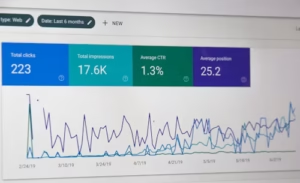
Measure the results of your online presence using meaningful business metrics. Track website visits, traffic sources, enquiries, calls, bookings, sales, email sign-ups, engagement, and conversions where relevant.
Review which channels and pages attract qualified visitors. Use this information to improve weak areas and invest more in activities that support your goals.
Common Online Presence Mistakes
- Launching a website without clear business information.
- Trying to use every social platform at once.
- Publishing content without understanding the audience.
- Leaving outdated hours, prices, or contact details online.
- Ignoring customer reviews and messages.
- Using inconsistent branding across platforms.
- Neglecting mobile usability and website security.
- Tracking likes and traffic without measuring enquiries or sales.
- Making exaggerated claims or using fake reviews.
A Simple 90-Day Plan
Days 1–30: Build the foundation
Define your goals, review your audience, improve your website, update business listings, and make your contact information consistent.
Days 31–60: Build visibility
Publish helpful content, establish a realistic social media schedule, encourage genuine reviews, and improve key search pages.
Days 61–90: Measure and improve
Review traffic, enquiries, engagement, and conversions. Improve pages and channels that show potential, and remove activities that do not support your goals.
Frequently Asked Questions
Does every business need a website?
A website gives your business a central place to explain its offer and provide reliable information. The right level of website investment depends on your business model, audience, and goals.
Which online channel should I focus on first?
Start with the channel your audience uses and that you can maintain well. For many businesses, this means creating a clear website and then adding search, local listings, social media, or email based on customer behaviour.
How long does it take to build an online presence?
You can establish a basic presence quickly, but building visibility and trust takes consistent effort. The timeline depends on your competition, content quality, reputation, audience, and resources.
How often should online business information be updated?
Update it whenever your services, prices, opening hours, contact details, or policies change. Review important information regularly to catch errors before they affect customers.
Final Thoughts
A strong online presence is built through clarity, consistency, usefulness, and trust. Start with clear goals and a professional website, then strengthen your visibility with search optimization, local listings, valuable content, social media, reputation management, and performance tracking. By improving one important area at a time, your business can create a digital presence that supports sustainable growth.