How to Get More Organic Traffic to Your Website
Learn practical and sustainable ways to increase organic traffic through helpful content, keyword research, technical SEO, internal linking, promotion, and performance tracking.
Organic traffic is the visitors who reach your website through unpaid search results. Unlike paid advertising, organic traffic can continue delivering value after a page is published, but it requires consistent effort, useful content, and a website that search engines and visitors can understand.
Getting more organic traffic is not about using shortcuts or repeating keywords. It is about creating the best possible experience for people who are searching for information, products, services, or solutions. This guide explains practical steps you can use to grow your website’s visibility sustainably.
1. Understand Your Target Audience
Before creating content, identify the people you want to reach. Consider their goals, questions, problems, location, experience level, and buying stage. The better you understand your audience, the easier it becomes to publish pages that answer real needs.
- Write down common customer questions.
- Review conversations, feedback, and support requests.
- Identify the problems your products or services solve.
- Separate beginner questions from advanced topics.
2. Perform Keyword Research
Keyword research helps you discover the words and phrases people use when searching. Start with broad topics related to your website, then find specific questions and longer phrases that match your expertise.
Choose keywords based on relevance and intent, not search volume alone. A specific phrase may attract fewer searches but bring visitors who are more likely to read, contact you, or make a purchase.
3. Create Helpful, In-Depth Content
High-quality content is one of the strongest ways to attract organic visitors. Each article should have a clear purpose and provide information that is accurate, useful, and easy to follow.
- Answer the main question near the beginning.
- Use examples, steps, checklists, and practical advice.
- Organize the article with descriptive headings.
- Add original experience, research, or insights.
- Remove filler and avoid repeating the same idea.
Longer content is not automatically better. The goal is to cover the topic thoroughly enough to help the reader, without adding unnecessary information.
4. Match Content to Search Intent
Search intent is the reason behind a search query. Someone searching for “how to choose a laptop” may want an educational guide, while someone searching for “buy a laptop online” may be ready to purchase.
Study the type of pages that appear for your target query. Then create content that matches what searchers expect, whether that is a tutorial, comparison, product page, service page, local listing, or detailed guide.
5. Optimize Page Titles and Headings
Your page title tells search engines and visitors what the page is about. Write a clear title that accurately describes the content and naturally includes the main topic.
Use headings to divide the page into logical sections. A reader should be able to scan the headings and quickly understand what the page covers. Avoid using headings only to insert keywords.
6. Improve Existing Content
You do not always need to publish new articles to grow organic traffic. Existing pages may already have impressions but need better information, structure, or presentation.
Review pages that have declining traffic, outdated facts, low engagement, or many impressions but few clicks. Improve their introduction, title, examples, images, internal links, and calls to action. Make meaningful improvements rather than changing the publication date without updating the content.
7. Build a Strong Internal Linking Structure
Internal links connect pages on your own website. They help visitors discover related information and help search engines understand how your content is organized.
Link from broad guides to detailed articles and from educational pages to relevant product or service pages. Use descriptive anchor text so visitors know what they will find after clicking.
8. Make Your Website Fast and Mobile-Friendly
A slow or difficult-to-use website can discourage visitors before they read your content. Make sure your pages work well on phones and load important information quickly.
- Compress large images.
- Remove unnecessary scripts and plugins where possible.
- Use a clear, responsive layout.
- Keep text readable on small screens.
- Fix layout problems and broken elements.
Good performance improves user experience and makes it easier for search engines to access your pages.
9. Improve Technical SEO
Technical SEO helps search engines crawl, understand, and index your website. Check that important pages are accessible, links work correctly, and your website uses a logical structure.
Pay attention to HTTPS, XML sitemaps, redirects, canonical URLs, duplicate content, broken links, and crawl errors. Technical improvements are especially important when a website has many pages or has recently been redesigned.
10. Optimize Images
Images can improve engagement, but they should be optimized properly. Use descriptive file names, suitable dimensions, and meaningful alternative text. Compress images so they do not slow down the page.
Alternative text should describe the image for visitors who cannot see it. Do not fill alt text with unrelated keywords.
11. Strengthen Your Website’s Trust
Visitors want to know that the information they read is reliable. Add clear author details, contact information, business information, policies, and evidence of experience where relevant.
For product reviews, tutorials, or professional advice, include real observations, limitations, sources, examples, and details that demonstrate first-hand knowledge. Accurate and transparent content is more valuable than exaggerated claims.
12. Earn Quality Backlinks
Backlinks are links from other websites to your pages. Relevant links from reputable websites can help people discover your content and support your website’s authority.
Earn links by publishing original research, useful tools, detailed guides, data, interviews, or resources worth referencing. Avoid buying spammy links, automated link packages, and schemes that can damage your website’s reputation.
13. Use Local SEO for Local Customers
If you serve a particular city or area, local SEO can help nearby customers find you. Keep your business name, address, phone number, opening hours, services, and website information accurate and consistent.
Create location-specific content only when it offers genuine value. Encourage real customers to leave honest reviews and respond to feedback professionally.
14. Promote Your Content
Publishing an article is only the beginning. Share useful content with relevant audiences through newsletters, social networks, professional communities, partnerships, and outreach.
Promotion should focus on helping people who are likely to find the content useful. Avoid sending irrelevant messages or using automated spam.
15. Track the Right Metrics
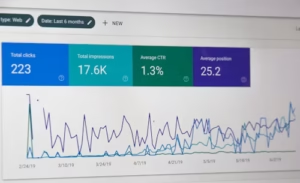
Use performance data to understand what is working. Monitor organic visits, impressions, clicks, rankings, engagement, enquiries, sales, downloads, or sign-ups depending on your goals.
Look for patterns. A page with many impressions but few clicks may need a clearer title or description. A page with traffic but no conversions may need better content, stronger trust signals, or a clearer next step.
A Simple 90-Day Organic Traffic Plan
First 30 days: Research and audit
Understand your audience, research topics, review your top pages, and identify technical issues. Prioritize changes that can improve important pages and remove barriers for visitors.
Days 31–60: Improve and publish
Update existing content, publish useful articles, improve internal links, optimize images, and fix important technical problems.
Days 61–90: Promote and measure
Share your best resources, build relevant relationships, review performance data, and refine pages based on visitor behavior and business results.
Common Mistakes to Avoid
- Publishing generic content without adding original value.
- Using keywords unnaturally or excessively.
- Copying content from other websites.
- Buying low-quality backlinks or fake reviews.
- Creating pages that target nearly identical keywords without a clear purpose.
- Ignoring mobile users and website speed.
- Expecting large results immediately.
- Measuring success only by rankings.
Frequently Asked Questions
How long does it take to increase organic traffic?
The timeline depends on competition, website history, content quality, technical health, and consistency. Some improvements may be noticed quickly, while sustainable growth commonly requires several months of focused work.
Is organic traffic better than paid traffic?
Both can be useful. Paid traffic can provide immediate visibility, while organic traffic can build long-term value without paying for every click. The right balance depends on your goals, budget, audience, and industry.
How often should I publish new content?
There is no universal publishing frequency. A realistic schedule that allows you to produce accurate, helpful content is better than publishing many low-quality articles.
Should every page target a keyword?
Every important page should have a clear purpose and topic, but you should not force keywords into content. Focus on helping visitors and use natural language that explains the subject clearly.
Final Thoughts
To get more organic traffic, focus on creating useful content, understanding search intent, improving your website’s technical foundation, and building trust over time. Combine keyword research with a strong user experience, internal links, relevant promotion, and regular measurement. Consistent, meaningful improvements can help your website attract more qualified visitors and turn organic traffic into lasting results.