Remote work has evolved from a temporary solution into a permanent feature of the modern professional landscape. Advances in digital technology, combined with changing employee expectations, have reshaped how organizations operate and how individuals approach their careers. By 2026, remote and hybrid work models have become widely accepted across industries, offering flexibility and efficiency while also introducing new challenges that require careful management.
One of the most significant opportunities presented by remote work is flexibility. Employees are no longer limited by geographical boundaries and can work from locations that suit their personal needs. This flexibility has improved work-life balance for many professionals, allowing them to manage family responsibilities, reduce commuting time, and create personalized work environments. As a result, job satisfaction and employee retention have increased in organizations that successfully support remote work arrangements.
Remote work has also expanded access to global talent. Companies can now hire skilled professionals from different regions without the constraints of physical offices. This has led to more diverse teams and a broader exchange of ideas, enhancing creativity and innovation. For workers, remote opportunities have opened doors to international roles and higher-quality employment that may not have been available locally. This shift has contributed to a more competitive and dynamic global workforce.
From a business perspective, remote work offers cost-saving advantages. Organizations can reduce expenses related to office space, utilities, and infrastructure. These savings can be redirected toward employee benefits, technology upgrades, and professional development. Small businesses and startups, in particular, have benefited from the reduced overhead costs associated with remote operations, enabling them to scale more efficiently.
Despite its advantages, remote work also presents notable challenges. One of the most common issues is maintaining effective communication and collaboration. Without face-to-face interaction, misunderstandings can occur more easily, and team cohesion may weaken. While digital communication tools have improved significantly, they require intentional use and clear guidelines to ensure that collaboration remains productive and inclusive.
Another challenge is the blurring of boundaries between work and personal life. Remote workers may find it difficult to disconnect, leading to longer working hours and increased stress. Without structured office routines, some employees struggle to maintain discipline and manage time effectively. Employers must address this issue by promoting healthy work habits, setting clear expectations, and encouraging regular breaks to prevent burnout.
Performance monitoring and accountability also become more complex in remote environments. Traditional management styles based on physical supervision are no longer effective. Organizations must shift toward results-based evaluation, focusing on outcomes rather than hours worked. This requires trust, clear goal-setting, and transparent communication between managers and employees. When implemented correctly, this approach can empower workers and foster a culture of responsibility.
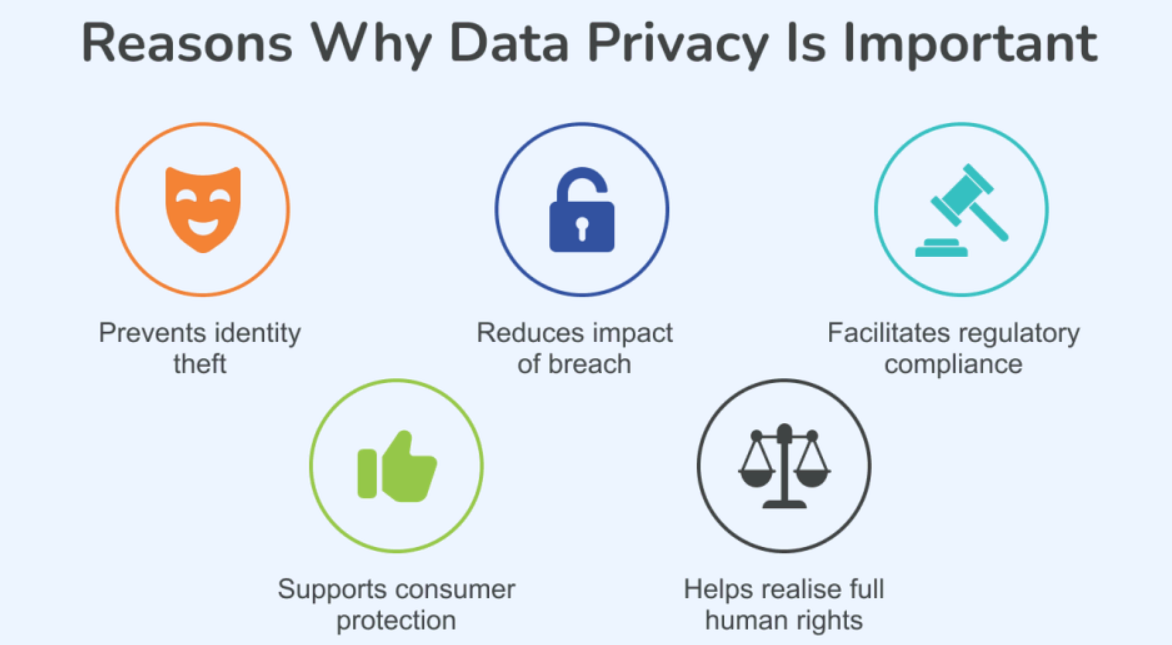
Technology plays a central role in enabling remote work, but it also introduces concerns related to cybersecurity and data privacy. Remote employees often access company systems from personal devices and home networks, increasing the risk of security breaches. To address this, organizations must invest in secure digital infrastructure, provide cybersecurity training, and implement clear data protection policies. Ensuring digital safety is essential for sustaining long-term remote work success.
Social isolation is another challenge that remote workers may face. The absence of in-person interaction can lead to feelings of disconnection and reduced team engagement. Employers must make conscious efforts to foster a sense of belonging through virtual meetings, team-building activities, and regular check-ins. Creating opportunities for meaningful interaction helps maintain morale and strengthens organizational culture in a remote setting.
Looking ahead, the future of work is likely to remain flexible and technology-driven. Hybrid models that combine remote and in-office work are becoming increasingly popular, offering the benefits of both approaches. Organizations that adapt to these changes and address the challenges of remote work thoughtfully will be better positioned to attract talent and remain competitive.
In conclusion, the rise of remote work represents a significant shift in how people work and how businesses operate. While it offers flexibility, cost efficiency, and access to global talent, it also demands new strategies for communication, management, and well-being. By embracing a balanced and intentional approach, organizations and individuals can maximize the benefits of remote work while minimizing its challenges. As the professional world continues to evolve, remote work will remain a defining element of the modern workplace.