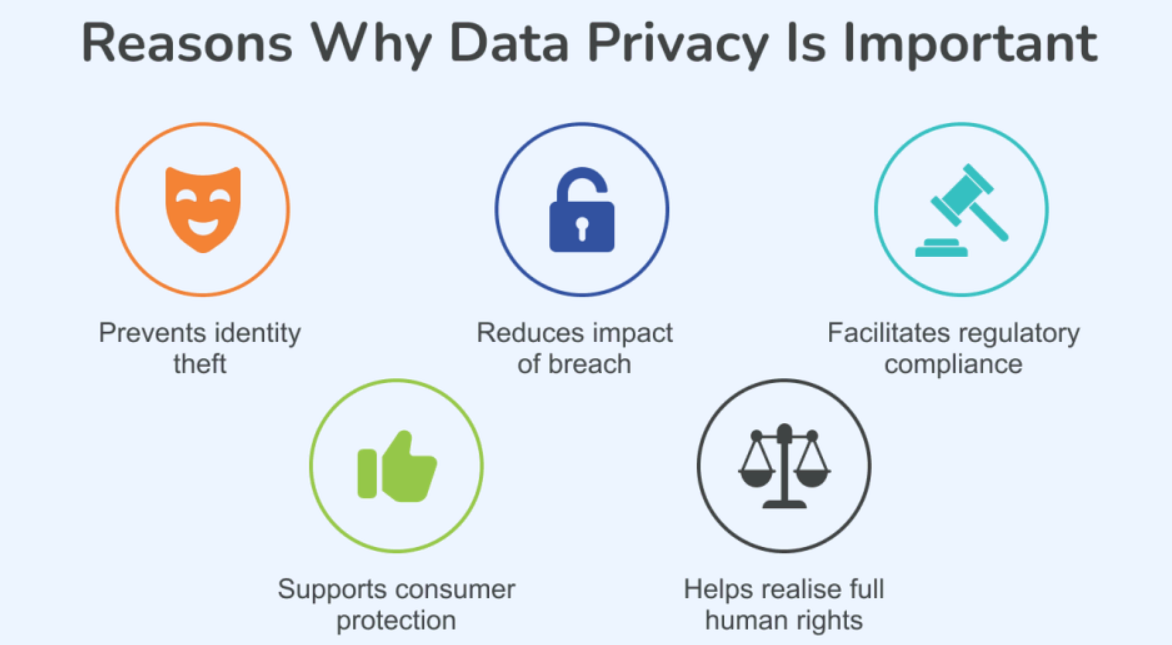
In an increasingly connected world, digital privacy and data protection have become essential concerns for individuals, businesses, and governments. By 2026, almost every aspect of daily life involves the exchange of personal information, whether through social media, online shopping, financial transactions, or cloud-based services. While technology has made communication and services more convenient, it has also introduced significant risks to privacy and security. Understanding the importance of digital privacy and implementing effective data protection measures is critical for maintaining trust, safety, and personal control over information.
Digital privacy refers to the right of individuals to control how their personal data is collected, used, and shared. With the rise of online platforms, personal information such as names, locations, browsing habits, purchase history, and biometric data is constantly being tracked and stored. Organizations leverage this data to improve services, target advertising, and make decisions, often without users fully understanding how their information is being used. This lack of transparency can lead to misuse, breaches, and a loss of trust in digital systems.
Data protection involves the technical and legal measures implemented to safeguard personal information from unauthorized access, theft, or misuse. Cybersecurity threats, including hacking, phishing, ransomware attacks, and identity theft, have become increasingly sophisticated, affecting millions of users worldwide. In 2026, protecting data is no longer optional; it is a necessity for individuals, companies, and governments alike. Effective data protection requires robust security protocols, encryption, regular system updates, and comprehensive policies that prioritize user privacy.
For individuals, digital privacy and data protection are essential for personal safety and autonomy. Sharing sensitive information online without adequate safeguards can lead to identity theft, financial loss, and exploitation. Users must be aware of the risks and take proactive steps such as using strong passwords, enabling two-factor authentication, avoiding suspicious links, and carefully managing privacy settings on social platforms and applications. Digital literacy and awareness are crucial tools in empowering individuals to maintain control over their personal information.
Businesses have a critical responsibility to ensure the privacy and security of customer data. Companies that fail to protect sensitive information face legal, financial, and reputational consequences. Data breaches can result in significant financial losses, regulatory penalties, and the erosion of customer trust. By adopting strong cybersecurity practices, complying with data protection laws, and maintaining transparency about data collection and usage, businesses can build credibility and demonstrate commitment to user safety. Trust in digital interactions is a key factor for long-term customer loyalty and success.
Governments play an essential role in establishing frameworks and regulations to protect digital privacy. Legislation such as data protection laws, cybersecurity standards, and privacy guidelines are necessary to hold organizations accountable and protect citizens’ rights. By enforcing regulations and providing public awareness campaigns, governments help ensure that individuals and businesses understand their responsibilities and the importance of safeguarding data. International cooperation is also vital, as cyber threats often transcend borders and require global solutions.
The rapid growth of emerging technologies, including artificial intelligence, cloud computing, and the Internet of Things, has intensified the importance of digital privacy. Smart devices, sensors, and connected systems collect vast amounts of data, creating new opportunities for innovation but also increasing the potential for misuse. Balancing technological advancement with robust privacy protections is a complex challenge that requires thoughtful policies, ethical considerations, and continuous vigilance. Protecting data while enabling innovation is one of the defining tasks of the digital era.
Education and awareness are fundamental to effective digital privacy. Users must understand how their data is collected, stored, and shared, as well as the risks associated with different online behaviors. Schools, workplaces, and public campaigns can play a critical role in teaching individuals about cybersecurity best practices, the consequences of data misuse, and ways to protect personal information. A well-informed digital population is better equipped to navigate the online world safely and responsibly.
In conclusion, digital privacy and data protection are central to a safe, trustworthy, and functional digital ecosystem. The convenience of modern technology comes with responsibilities for both individuals and organizations to ensure that personal information remains secure. By adopting proactive measures, embracing digital literacy, and following regulatory guidelines, users can protect themselves while benefiting from technological advancements. Businesses that prioritize data protection strengthen customer trust, while governments that enforce regulations create safer digital environments. As the digital landscape continues to evolve, safeguarding privacy and protecting data will remain essential for maintaining security, autonomy, and confidence in the online world.