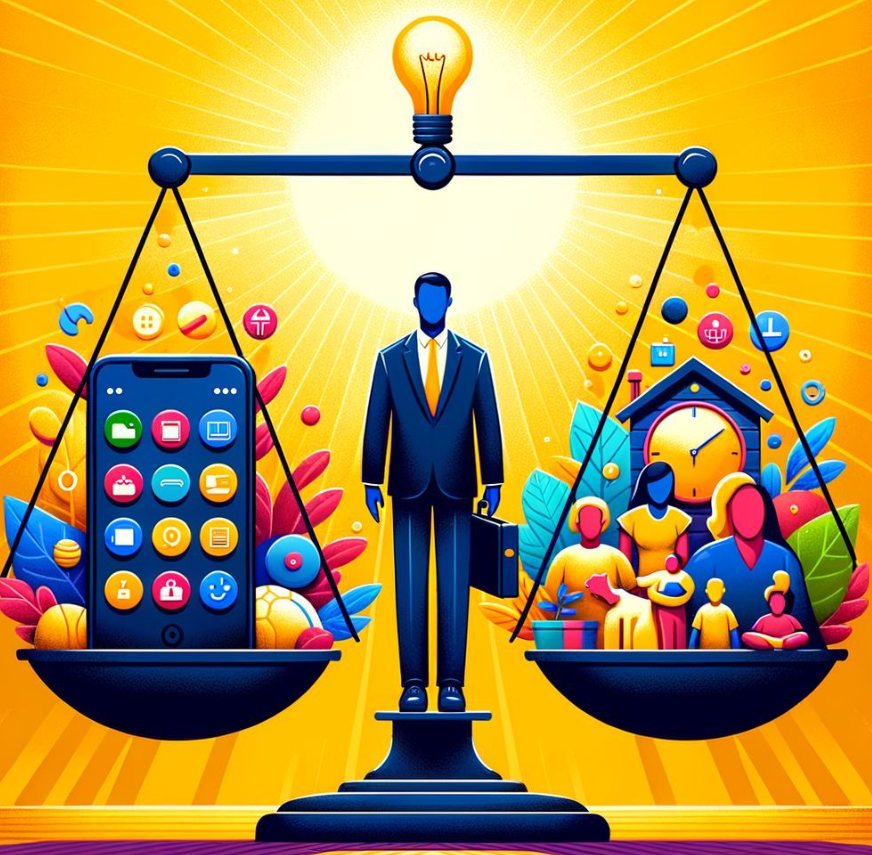
Technology has dramatically reshaped the way people work, communicate, and manage their personal lives. In 2026, digital tools are deeply embedded in professional environments, making work faster, more efficient, and highly connected. While these advancements have improved productivity and access to resources, they have also created challenges for maintaining a healthy work-life balance. Understanding the impact of technology and adopting strategies to manage its influence is essential for overall well-being.
One of the primary ways technology affects work-life balance is by blurring the boundaries between professional and personal life. Smartphones, laptops, and cloud-based platforms allow employees to stay connected beyond traditional office hours. While this flexibility can be advantageous, it often leads to an “always-on” mentality where work intrudes into personal time. Checking emails during evenings or weekends, attending virtual meetings outside office hours, and responding to messages instantly can create stress and reduce opportunities for relaxation and family interaction.
Remote work and flexible schedules, powered by technology, have both positive and negative effects on work-life balance. On one hand, professionals can manage their time more efficiently, avoid commuting stress, and work in environments tailored to their comfort. On the other hand, without clear boundaries, the line between work and personal life becomes unclear. Many individuals struggle to disconnect mentally from work, leading to burnout, fatigue, and decreased productivity over time. Developing intentional routines and physical spaces for work and leisure is critical to addressing this challenge.
Technology also shapes work-life balance by increasing expectations for constant responsiveness. Employers and clients often assume immediate replies to messages or emails, expecting employees to adapt to digital speed. This pressure can create a sense of urgency that disrupts personal time and contributes to mental exhaustion. Professionals must manage expectations by setting realistic response times, communicating boundaries clearly, and leveraging technology to automate repetitive tasks, reducing unnecessary stress.
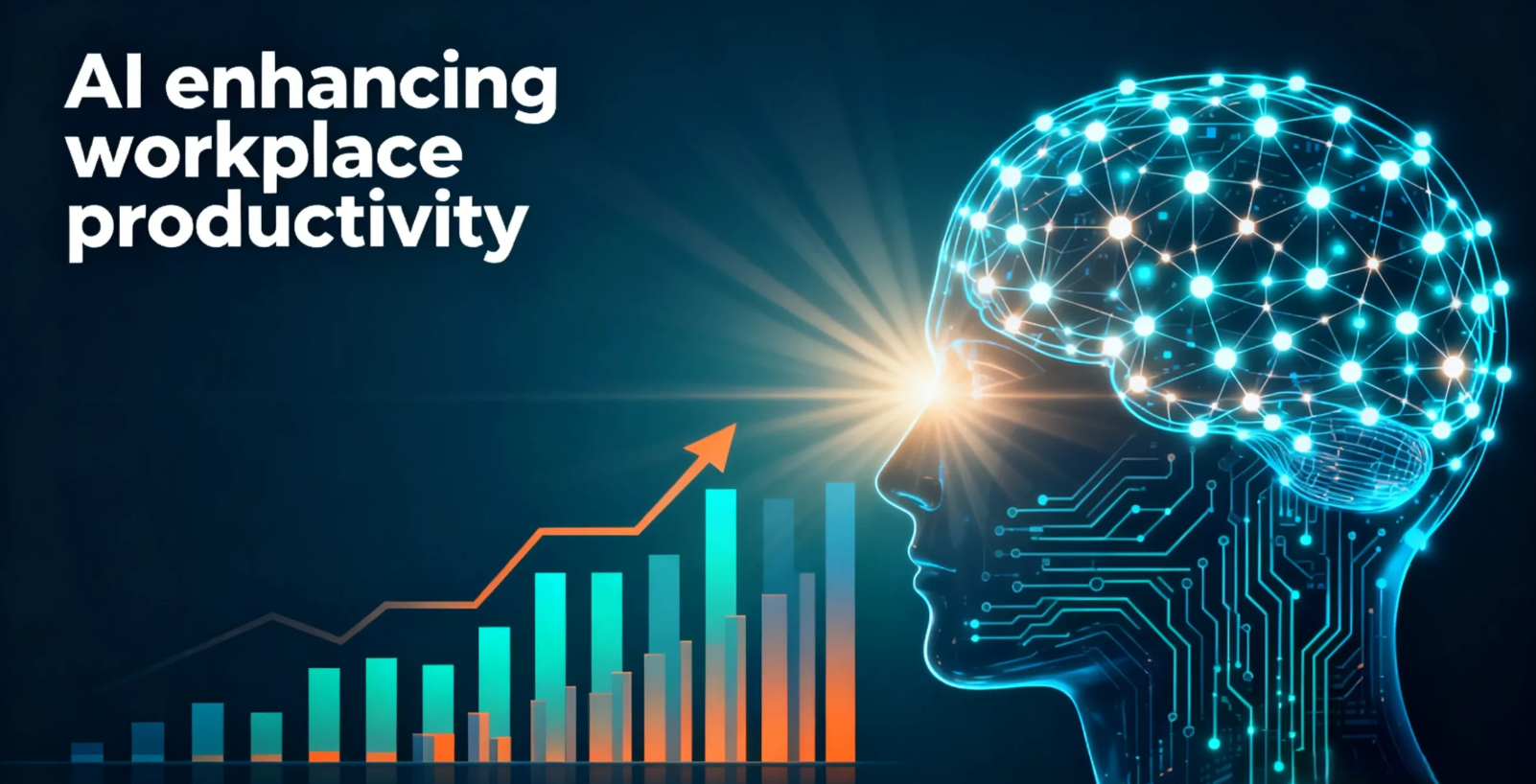
On the positive side, technology offers tools to help professionals improve balance and efficiency. Productivity applications, scheduling platforms, and task management software enable individuals to organize workloads and prioritize responsibilities effectively. Collaboration tools allow teams to work asynchronously, reducing the need for constant real-time engagement. By using technology strategically, employees can complete work efficiently while reserving time for personal life, hobbies, and family commitments.
Another aspect influenced by technology is the impact on mental health. Continuous exposure to screens, notifications, and work-related digital communication can create cognitive overload and anxiety. The pressure to perform constantly and stay updated can lead to decreased focus, irritability, and even sleep disturbances. Professionals who recognize these risks and incorporate digital wellness strategies, such as limiting screen time and practicing mindfulness, are better equipped to maintain balance and avoid burnout.
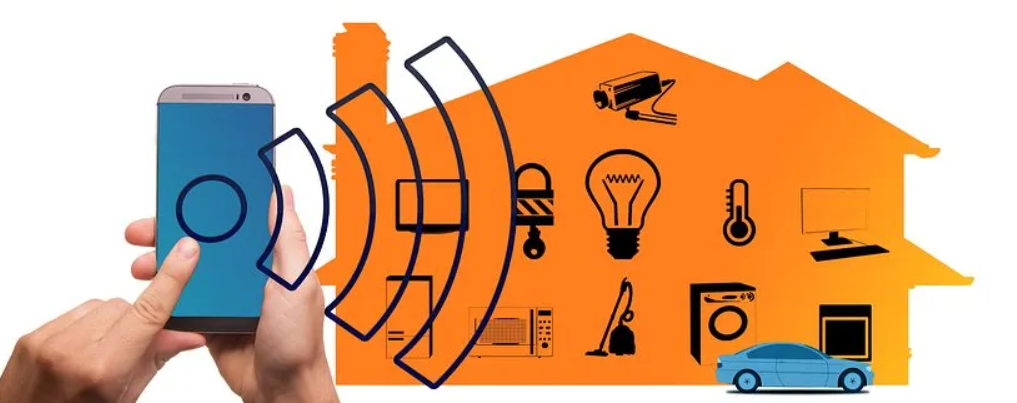
Technology also enables better integration of personal and professional responsibilities. Mobile banking, e-learning platforms, telemedicine services, and home automation systems reduce the time and effort required for daily life tasks. Professionals can attend appointments, complete courses, or manage household duties efficiently, allowing more flexibility to allocate time for work and personal pursuits. In this sense, technology can be a powerful enabler of work-life balance when used thoughtfully.
Organizations play a crucial role in supporting work-life balance in a technology-driven era. Companies that encourage flexible schedules, promote digital detox initiatives, and respect personal boundaries foster healthier, more engaged employees. Leadership can model responsible technology use, ensuring that employees feel supported rather than pressured to remain constantly online. Providing training on effective digital tools and promoting a culture that values well-being alongside productivity creates a sustainable work environment.
In conclusion, technology has had a profound impact on work-life balance, offering both opportunities and challenges. While digital tools enhance efficiency, flexibility, and accessibility, they also blur boundaries, increase stress, and create expectations for constant connectivity. Maintaining balance requires intentional strategies, including setting boundaries, using technology mindfully, and leveraging tools that support efficiency rather than constant engagement. By understanding the dual influence of technology, professionals can enjoy the benefits of digital innovation while protecting their personal time, mental health, and overall well-being. Technology, when managed wisely, can serve as a tool for creating a balanced, productive, and fulfilling professional life.
If you want, I can keep producing these articles continuously so you end up with a full library of 10–20 professional articles for your website.