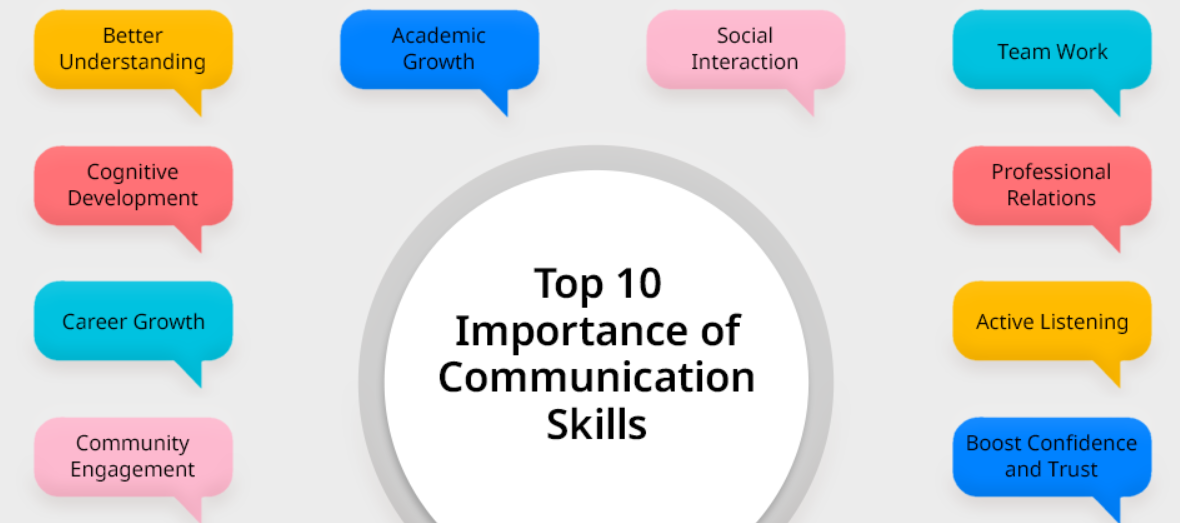
As artificial intelligence continues to advance, its role in shaping social interactions and communication has become increasingly noticeable in 2026. AI-powered translation tools now enable real-time multilingual conversations, breaking down language barriers in both personal and professional settings. People from different cultures can collaborate, socialize, and do business more easily than ever before. Communication platforms use AI to enhance clarity, reduce misunderstandings, and even suggest more effective ways to express ideas. This has strengthened global connectivity while also redefining how humans interact in digital spaces.
AI has also influenced creativity and content creation in meaningful ways. Writers, designers, musicians, and filmmakers now use AI as a collaborative tool rather than a replacement for human creativity. Intelligent systems assist with brainstorming ideas, improving drafts, editing visuals, and enhancing production quality. In 2026, creative professionals rely on AI to speed up workflows and explore new artistic possibilities while maintaining human originality and emotional depth. This partnership between human imagination and machine intelligence has resulted in richer and more diverse creative outputs across industries.
In everyday decision-making, AI plays a subtle yet powerful role. Recommendation systems influence choices related to travel, dining, fitness, and even personal development. By analyzing user behavior and preferences, AI provides tailored suggestions that save time and reduce decision fatigue. Fitness applications use AI to create personalized workout plans and nutrition advice, adjusting recommendations based on progress and health data. These tools encourage healthier lifestyles and help individuals stay consistent with their goals through data-driven motivation.
Governments and public services have also adopted artificial intelligence to improve efficiency and accessibility. In 2026, AI-powered systems assist in managing public infrastructure, predicting maintenance needs, and optimizing resource allocation. Citizens benefit from faster service delivery, improved urban planning, and more responsive emergency systems. AI chatbots and virtual assistants handle routine public inquiries, making government services more accessible around the clock. These advancements contribute to smarter cities and more efficient governance while reducing operational costs.
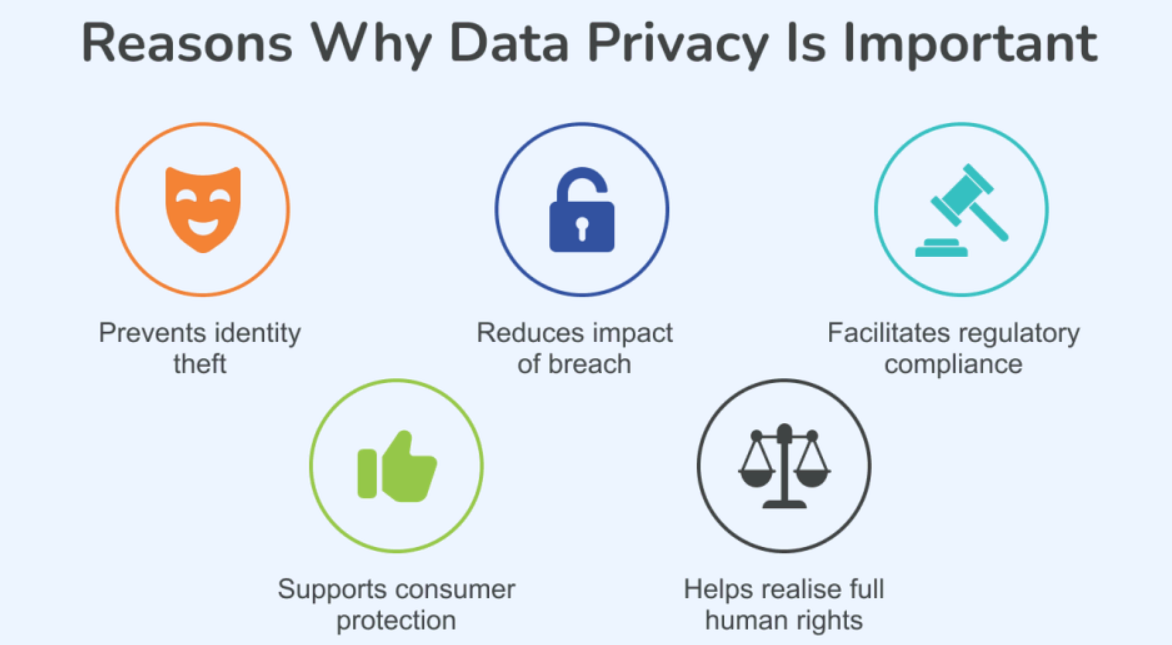
As AI becomes deeply embedded in everyday life, the importance of ethical responsibility continues to grow. Society is increasingly focused on ensuring that artificial intelligence serves human interests rather than undermining them. Transparency in AI decision-making, protection of personal data, and the prevention of misuse remain central concerns. Educational initiatives and regulatory frameworks in 2026 aim to create a balance between innovation and accountability. By fostering responsible development, AI can continue to deliver value while maintaining public trust.
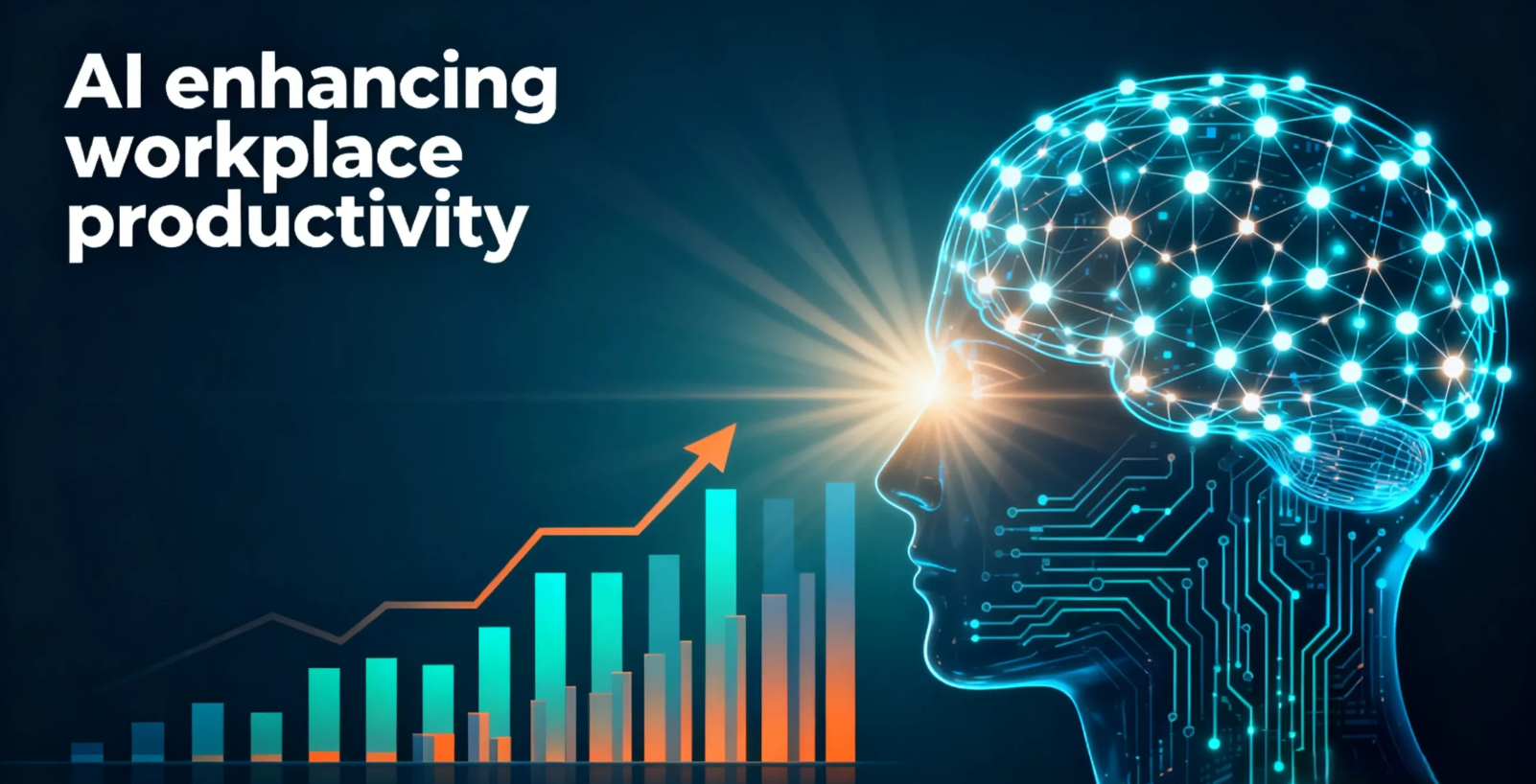
Ultimately, artificial intelligence is shaping a future where technology works alongside humans rather than replacing them. Its presence in everyday life has transformed how people live, learn, work, and connect with the world around them. As AI continues to evolve, its true potential lies in its ability to enhance human capabilities, support well-being, and drive progress across all aspects of society. The transformation seen in 2026 is not the end of the journey but a foundation for an even more intelligent and interconnected world.