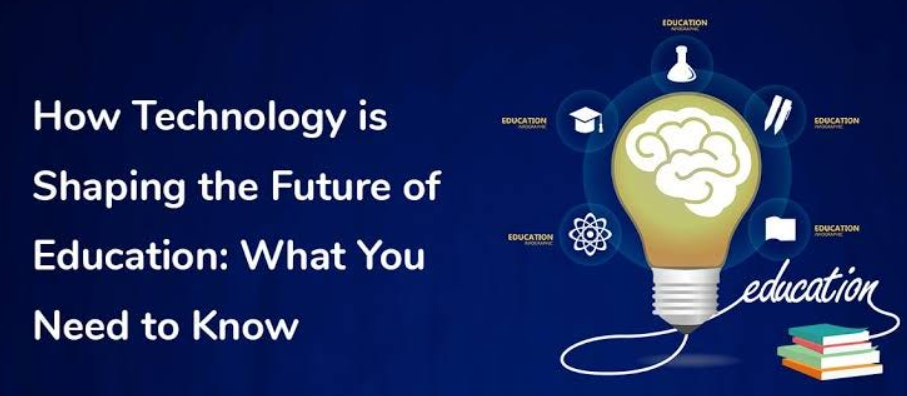
Technology has become a powerful force in transforming education, redefining how knowledge is delivered, accessed, and experienced. In recent years, digital tools have moved education beyond traditional classrooms, enabling more flexible, personalized, and inclusive learning environments. By 2026, technology is no longer a supporting element in education but a core component that influences teaching methods, student engagement, and institutional structures worldwide.
One of the most significant changes brought by technology is the increased accessibility of education. Online learning platforms, virtual classrooms, and digital resources allow students to learn from anywhere, removing geographical and physical barriers. Learners in remote areas now have access to high-quality courses and expert instructors that were previously out of reach. This accessibility has democratized education, giving individuals from diverse backgrounds the opportunity to acquire new skills and knowledge at their own pace.
Personalized learning has emerged as a defining feature of modern education. Technology-driven systems analyze student performance, learning styles, and progress to tailor educational content accordingly. This approach allows students to focus on areas where they need improvement while advancing more quickly through subjects they understand well. Personalized learning reduces frustration and increases motivation, creating a more effective and supportive educational experience.
Technology has also enhanced student engagement by making learning more interactive and immersive. Digital tools such as virtual simulations, augmented reality, and multimedia content bring complex concepts to life. Instead of relying solely on textbooks, students can explore virtual environments, conduct simulated experiments, and visualize abstract ideas. These interactive methods encourage curiosity, critical thinking, and deeper understanding, making education more engaging and enjoyable.
Teachers play a crucial role in this evolving educational landscape, and technology has significantly changed their responsibilities. Digital platforms assist educators with lesson planning, grading, and performance tracking, reducing administrative workloads. This allows teachers to dedicate more time to mentoring students, addressing individual learning needs, and fostering creativity in the classroom. Technology also supports professional development by providing access to training resources and collaborative teaching communities.
Assessment and evaluation methods have also evolved through technological innovation. Traditional exams are increasingly complemented by digital assessments that provide real-time feedback and detailed performance insights. Data-driven evaluation helps educators identify learning gaps and adjust instructional strategies accordingly. For students, timely feedback supports continuous improvement and encourages a growth-oriented mindset rather than a focus on grades alone.
Collaboration has become a central aspect of education through technology-enabled communication tools. Students can work together on projects using cloud-based platforms, participate in virtual discussions, and share ideas beyond classroom walls. This collaborative learning environment prepares students for modern workplaces, where teamwork and digital communication are essential skills. Exposure to global perspectives also helps learners develop cultural awareness and adaptability.
Despite its advantages, the integration of technology in education presents certain challenges. Digital inequality remains a significant concern, as not all students have equal access to devices and reliable internet connections. Addressing this gap requires coordinated efforts from governments, institutions, and private organizations to ensure inclusive access. Additionally, overreliance on technology may reduce face-to-face interaction, making it important to maintain a balanced approach that supports both digital and human elements of learning.
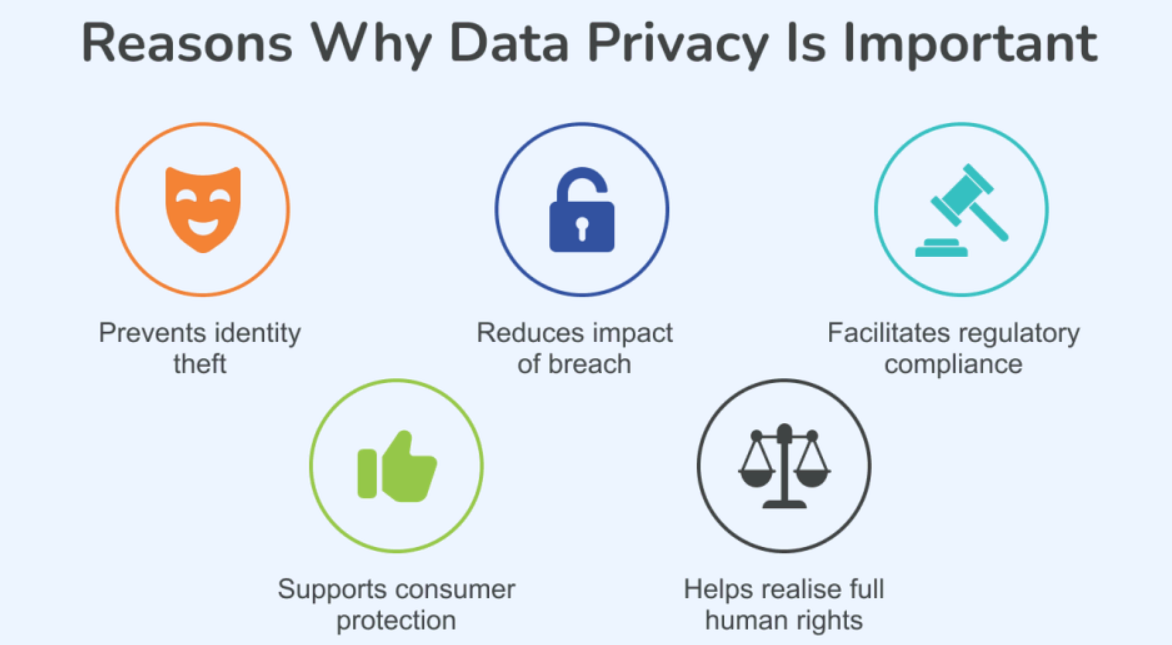
Cybersecurity and data privacy are also critical issues in technology-driven education. Educational institutions handle vast amounts of sensitive student information, making them potential targets for cyber threats. Implementing strong security measures and educating students and staff about digital safety are essential for maintaining trust and protecting personal data in online learning environments.
Looking forward, the future of education will continue to evolve alongside technological advancements. Artificial intelligence, data analytics, and immersive technologies will further enhance personalization, accessibility, and efficiency. However, successful integration will depend on thoughtful implementation that prioritizes ethical considerations, inclusivity, and the human aspect of education.
In conclusion, technology is reshaping the future of education by making learning more accessible, personalized, and engaging. While challenges such as digital inequality and data security remain, the benefits of technological integration are undeniable. By embracing innovation responsibly, educational systems can prepare learners for a rapidly changing world and create opportunities for lifelong learning. Technology, when used effectively, has the potential to transform education into a more inclusive and empowering experience for all.