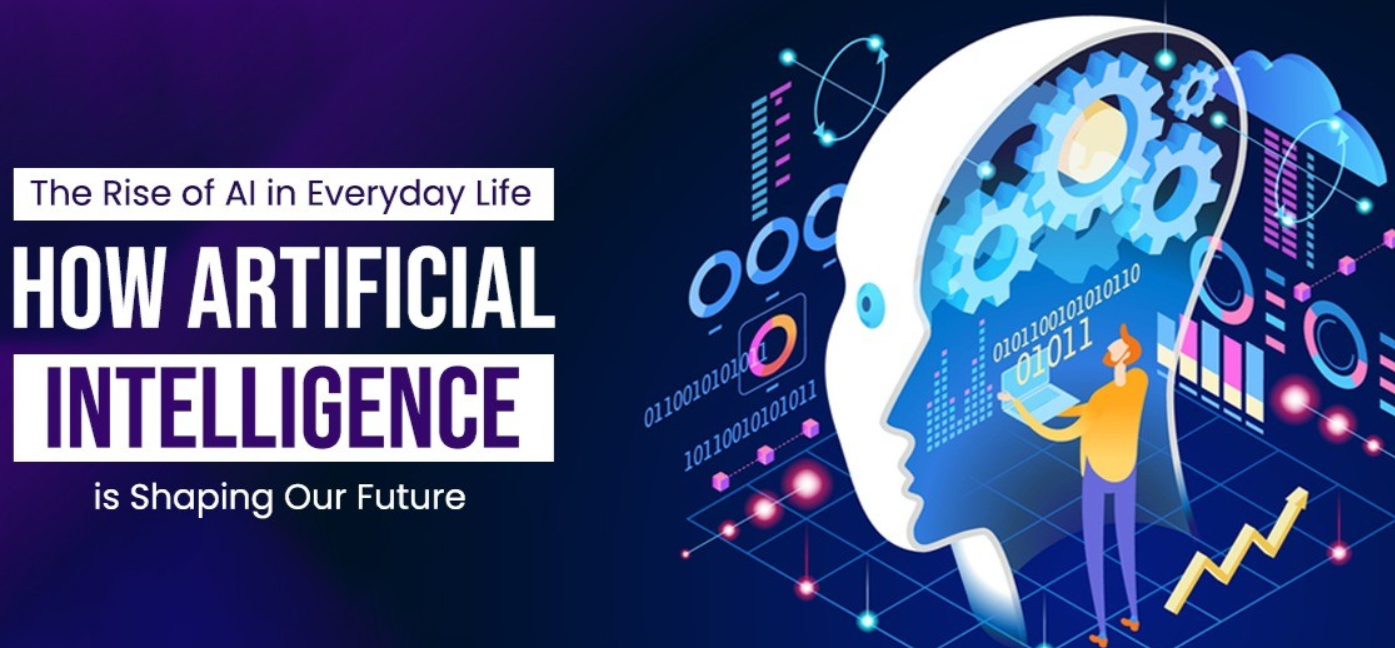
Artificial Intelligence has moved far beyond being a futuristic concept and has become an integral part of everyday life in 2026. What once existed mainly in research labs and science fiction is now embedded in homes, workplaces, healthcare systems, education platforms, and personal devices. AI technologies are no longer limited to automating simple tasks; they are actively shaping how people live, work, communicate, and make decisions. This transformation is subtle in some areas and revolutionary in others, making AI one of the most influential forces of the modern era.
In daily routines, AI has become a silent assistant that simplifies life. Smart home systems now learn individual preferences with remarkable accuracy. From adjusting room temperatures and lighting to managing energy consumption, AI-powered systems create personalized living environments. Voice assistants have evolved into intelligent companions capable of understanding context, emotions, and complex instructions. Instead of merely responding to commands, they anticipate needs, schedule tasks, suggest healthier habits, and even help manage personal finances. This level of personalization has made everyday living more efficient and comfortable.
Healthcare is one of the sectors experiencing the most profound impact from artificial intelligence in 2026. AI-driven diagnostic tools now assist doctors by analyzing medical images, lab results, and patient histories with exceptional precision. Early detection of diseases such as cancer, heart conditions, and neurological disorders has significantly improved due to predictive algorithms. Wearable devices continuously monitor vital signs and use AI to detect irregular patterns, alerting users and healthcare providers before serious complications arise. As a result, healthcare has shifted from reactive treatment to proactive prevention, improving both life expectancy and quality of life.
Education has also undergone a major transformation through AI integration. Learning is no longer confined to one-size-fits-all classrooms. AI-powered platforms adapt lessons according to each student’s pace, strengths, and weaknesses. In 2026, personalized learning paths allow students to master concepts more effectively while reducing academic pressure. Virtual tutors provide real-time feedback and support, making education more accessible to people regardless of location. Teachers benefit as well, as AI handles administrative tasks and performance analysis, allowing educators to focus more on mentorship and creativity.
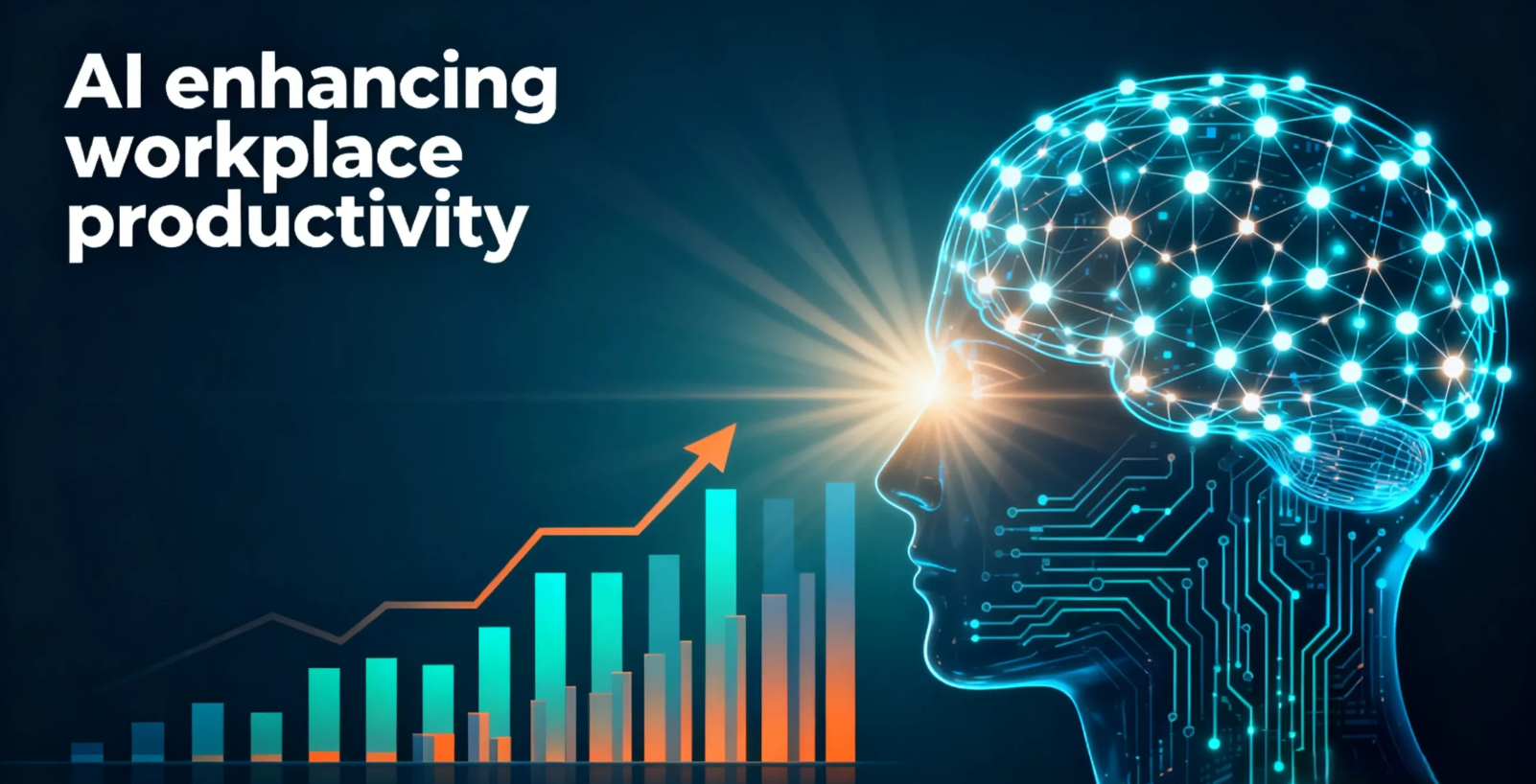
In the workplace, artificial intelligence has reshaped productivity and job roles rather than replacing human workers entirely. AI tools automate repetitive tasks such as data entry, scheduling, and basic analysis, freeing professionals to focus on strategic thinking and innovation. Decision-making has become more data-driven, with AI systems offering insights based on vast amounts of information that humans alone could not process efficiently. Collaboration between humans and intelligent systems has become the norm, leading to higher efficiency and improved outcomes across industries such as finance, marketing, engineering, and customer service.
Transportation and mobility have also been transformed by AI technologies. In 2026, intelligent traffic management systems reduce congestion by analyzing real-time data from vehicles and road sensors. Navigation apps powered by AI offer dynamic route optimization, improving travel efficiency and reducing fuel consumption. Semi-autonomous and fully autonomous vehicles are increasingly common, enhancing road safety by minimizing human error. Public transportation systems use AI to predict demand, optimize schedules, and improve passenger experiences, making urban mobility smarter and more sustainable.
Entertainment and media consumption have become deeply personalized due to artificial intelligence. Streaming platforms use advanced recommendation algorithms to curate content based on viewing habits, moods, and preferences. In 2026, AI-generated music, art, and video content coexist with human creativity, expanding the boundaries of entertainment. Social media platforms rely on AI to filter content, detect harmful behavior, and tailor user experiences. While these advancements offer convenience and engagement, they also raise important discussions about digital well-being and responsible AI usage.
Artificial intelligence has also influenced how people shop and manage finances. Online shopping experiences are enhanced by AI-powered recommendation engines that predict consumer needs with impressive accuracy. Virtual shopping assistants help customers compare products, find deals, and make informed purchasing decisions. In the financial sector, AI monitors spending patterns, helps create personalized budgets, detects fraudulent activities, and provides investment insights. These tools empower individuals to manage their finances more effectively while reducing risks.
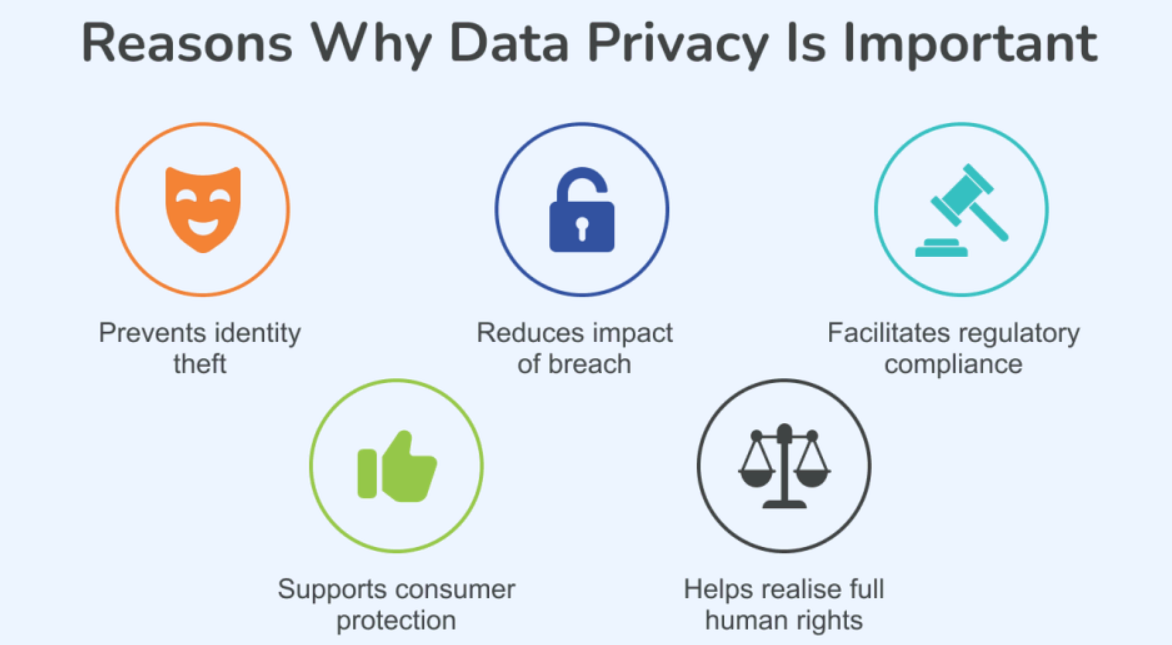
Despite its many benefits, the widespread adoption of artificial intelligence in 2026 has also brought challenges and ethical considerations. Concerns about data privacy, algorithmic bias, and transparency remain significant. As AI systems rely heavily on data, ensuring responsible data collection and usage has become a priority for governments and organizations. Efforts are being made to establish ethical AI frameworks that promote fairness, accountability, and trust. Public awareness and digital literacy play a crucial role in helping individuals understand how AI affects their lives and how to use it responsibly.
In conclusion, artificial intelligence is no longer an emerging technology but a fundamental part of everyday life in 2026. From homes and healthcare to education, work, and entertainment, AI continues to reshape how society functions. Its ability to enhance efficiency, personalization, and decision-making has brought undeniable benefits, improving convenience and overall quality of life. At the same time, the responsible development and use of AI remain essential to ensure that its impact is positive and inclusive. As technology continues to evolve, artificial intelligence will remain a defining force shaping the future of everyday living.